

 See My Latest Article on HelloNation

Property value is shaped by a combination of location, condition, size, buyer demand, and current market evidence. No single feature determines what a home is worth. Instead, value reflects what a typical buyer would likely pay for that property at a particular point in time.
For residents in Katy, TX, property value can also be affected by neighborhood development, drainage considerations, school attendance boundaries, commuting patterns, housing age, and the cost of maintaining a home in a hot, humid climate.
What is the difference between market value, appraised value, and assessed value?
These three terms describe different measurements.
Market value is the price a property might reasonably command in an open market, based on buyer demand and comparable recent sales.
Appraised value is an opinion of value prepared for a specific purpose, often mortgage lending. An appraisal typically considers the property’s condition, features, location, and comparable sales.
Assessed value is used by local taxing authorities to calculate property taxes. It may not equal the home’s likely selling price, and it can change according to tax rules, exemptions, caps, and other administrative factors.
A tax assessment should not be treated as a precise estimate of resale value. Likewise, an online valuation tool can be useful as a rough reference but may miss renovations, deferred maintenance, lot conditions, or neighborhood-specific differences.
How do comparable sales influence a home’s value?
Recent comparable sales, often called “comps,” are among the strongest indicators of market value. These are properties that are similar in location, size, age, design, condition, and features.
A useful comparison usually considers:
- Sale date
- Living area and number of bedrooms and bathrooms
- Lot size and lot position
- Construction age and architectural style
- Updates to kitchens, bathrooms, flooring, windows, and major systems
- Garage capacity and usable outdoor space
- Pool, covered patio, or other permanent improvements
- Proximity to major roads, commercial activity, or undeveloped land
A home that sold several months ago may not reflect current conditions if interest rates, inventory, or buyer preferences have changed. Asking prices can provide context, but closed sales generally offer stronger evidence because they show what buyers actually paid.
Does location matter more than the house itself?
Location has a major influence because it affects daily convenience, neighborhood appeal, future expectations, and buyer demand. Two homes with similar floor plans may have different values because they sit on different streets or in different sections of the community.
In Katy, buyers may evaluate:
- Access to major travel routes and employment areas
- Distance to schools, parks, shopping, and community amenities
- Traffic patterns and road noise
- Lot placement near entrances, busy streets, drainage areas, or undeveloped property
- Neighborhood age, maintenance, and architectural consistency
- School attendance boundaries, which should be verified because boundaries can change
A home near a busy roadway may sell for less than a similar home on a quieter interior street. A property backing to open land may have appealing views, but future development possibilities can affect how buyers judge that benefit.
How does a home’s condition affect value?
Condition affects both the price buyers are willing to pay and the number of buyers able to purchase the home. Visible maintenance issues can create concerns about hidden costs, even when the problems are relatively minor.
Common value factors include:
- Roof age and condition
- Heating and cooling system performance
- Foundation movement or settlement concerns
- Plumbing, electrical, and water-heating systems
- Signs of moisture intrusion
- Exterior paint, siding, brick, fencing, and drainage
- Functionality of the kitchen and bathrooms
- Flooring, lighting, and general cleanliness
In a warm climate, air-conditioning performance and roof condition receive particular attention. Proper drainage also matters because heavy rainfall can expose grading, gutter, foundation, or yard-maintenance problems.
Condition does not need to be perfect for a home to retain value. Buyers often distinguish between normal cosmetic wear and issues that may involve safety, water intrusion, structural stability, or expensive replacement.
Do renovations always increase property value?
No. Renovations can improve value, but the return depends on the project, workmanship, buyer expectations, and neighborhood standards.
Updates that improve function and broad appeal tend to be more useful than highly personalized changes. Buyers often respond well to:
- Durable flooring in heavily used areas
- Fresh interior paint in neutral, well-maintained finishes
- Updated lighting and plumbing fixtures
- Modernized kitchens and bathrooms
- Improved landscaping and exterior presentation
- Energy-efficient windows or equipment when the benefits are clear
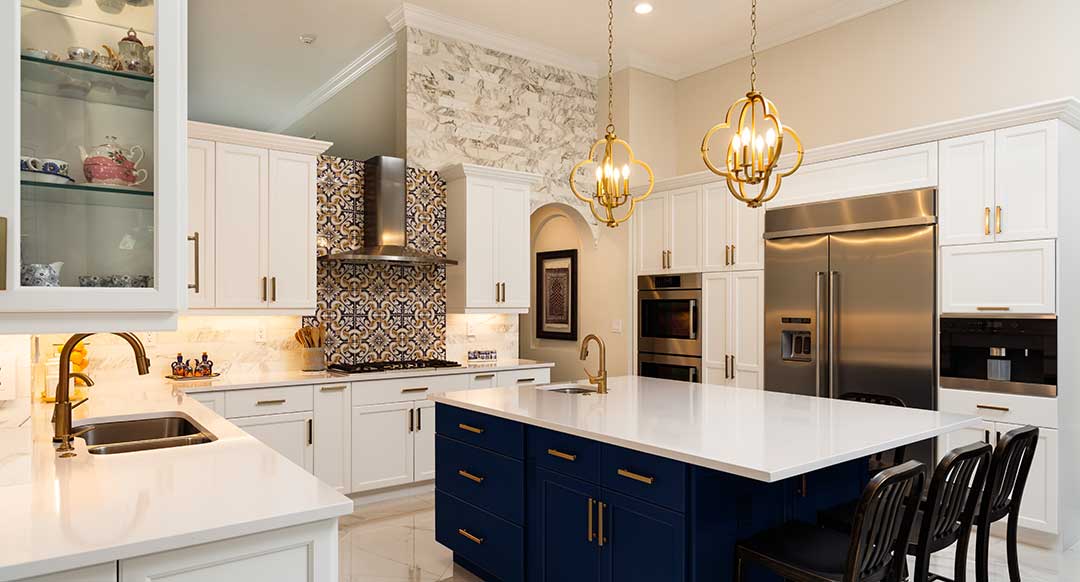
A costly project may not add equal value to the property. For example, an elaborate specialty room may appeal strongly to one household but provide limited benefit to the broader market. Overbuilding relative to nearby homes can also make it harder to recover the full cost.
Permits, workmanship, and documentation may affect how improvements are viewed. Unpermitted work can create uncertainty during resale or financing, particularly if the project changed square footage, electrical systems, plumbing, or structural components.
How do lot characteristics and environmental conditions affect value?
The land itself can significantly influence value. Lot size is only one factor. Usability, privacy, views, drainage, trees, slope, and access all matter.
Potentially important characteristics include:
- Corner or interior location
- Cul-de-sac placement
- Backyard privacy
- Lot width and depth
- Floodplain or drainage considerations
- Easements and utility access
- Standing water or poor grading
- Nearby construction activity
- Mature trees and their maintenance needs
Flood risk should be evaluated using current maps, property disclosures, insurance information, and observed site conditions. A property outside a mapped flood zone can still experience drainage problems during severe storms. Conversely, a property with drainage infrastructure may perform well despite having features that require additional review.
Can neighborhood supply and buyer demand change property value?
Yes. Property values respond to the balance between available homes and the number of interested buyers. When many similar homes are available, sellers may need to compete through price, condition, concessions, or presentation. When inventory is limited, buyers may compete more actively for well-maintained properties.
Demand can vary by price range and property type. A market may be strong for smaller homes while slower for larger, higher-maintenance properties. Interest rates, household budgets, employment conditions, insurance costs, and property taxes can all influence what buyers are able or willing to pay.
New construction can also affect nearby resale homes. It may introduce competition, but it can also improve surrounding infrastructure and increase awareness of an area. The effect depends on pricing, design, location, timing, and the amount of available land.
What features are commonly overestimated by homeowners?
Homeowners often place a higher value on personal memories, custom décor, or the money spent on improvements than buyers do. Value is based more on market usefulness than on emotional attachment or project cost.
Common misconceptions include:
- Assuming every dollar spent on remodeling returns a dollar in value
- Treating the tax assessment as the market price
- Adding the full cost of a pool, patio, or detached structure to the home’s value
- Comparing the property with a larger or newer home without adjustments
- Ignoring deferred maintenance because the issue is not visible from the street
- Assuming nearby development will automatically increase value
- Relying on one comparable sale instead of examining several
A more reliable approach is to compare the property with similar homes, adjust for meaningful differences, and consider current market conditions.
What is the most practical way to estimate a property’s value?
Begin with recent closed sales that closely resemble the property. Then account for differences in size, condition, lot characteristics, upgrades, location, and timing. Active listings can show current competition, while properties that failed to sell may provide clues about pricing, condition, or buyer resistance.
Value is not a permanent number. It can change as the home ages, improvements are completed, nearby development occurs, insurance and tax costs shift, and buyer preferences evolve. For that reason, a realistic estimate should be based on current evidence rather than a past purchase price, an online calculator, or a neighbor’s asking price.